Rising Destinations
Where in the world are the fastest growing holiday destinations?
Data was taken from the World Bank Group that recorded tourism arrivals annually since 1995-2016.
This was supplemented with data from UNWTO World Tourism Organization, Tourism Highlights 2018.
The data was last updated on 25/07/2018.
Data for 2017 is provisional.
The following countries did not have data for 1995 so the year data was first available was used:
Bosnia 1997, Kazakhstan 1996, Hong Kong 1998, New Zealand 1998, Andorra 1999, Micronesia 1996.
The following countries did not have data available for 2017 so the figure for 2016 was repeated: Kyrgyz Republic, Georgia, Belarus, Angola, Ethiopia, Uganda, Oman, Congo, Rep., Zambia, Lesotho, Burundi, Namibia, Cuba, Denmark, Malawi, Bahrain, Niger, Tanzania, Sierra Leone, Gambia, The, Guatemala, Bolivia, Nigeria, Czech Republic, Slovak Republic, Benin, Romania, Hungary, North America, Virgin Islands (U.S.), Kiribati, Grenada, Sint Maarten (Dutch part), Bahamas, The, Venezuela, RB, Bermuda, Eritrea.
- N/A
- -50
- 0
- 50
- 100
- 150
- 200+
- N/A
- -50
- 0
- 100
- 200
- 500
- 750+
For an overview of where the fastest rising holiday destinations have been since 1995, press the ‘play’ button to animate the map. Or, click on the year buttons to see each segment of time. Rollover the map to see more information about each country.
Top 12 travel destinations to visit in 2019
As many favourite holiday hotspots become overcrowded, trying to find an unspoilt ‘hidden secret’ becomes that little bit harder every year.
From our map, we’ve found a list of countries on the rise in popularity perfect to visit whilst they retain their charm and culture, and before they suffer from too many holiday makers. All countries listed still have their cultural heritage and offer something unique and special to the traveller looking for somewhere new. To stay one step ahead of overcrowded beaches and towns, you could go to any of the following 12 countries that are the must-visit destinations for 2019.
-
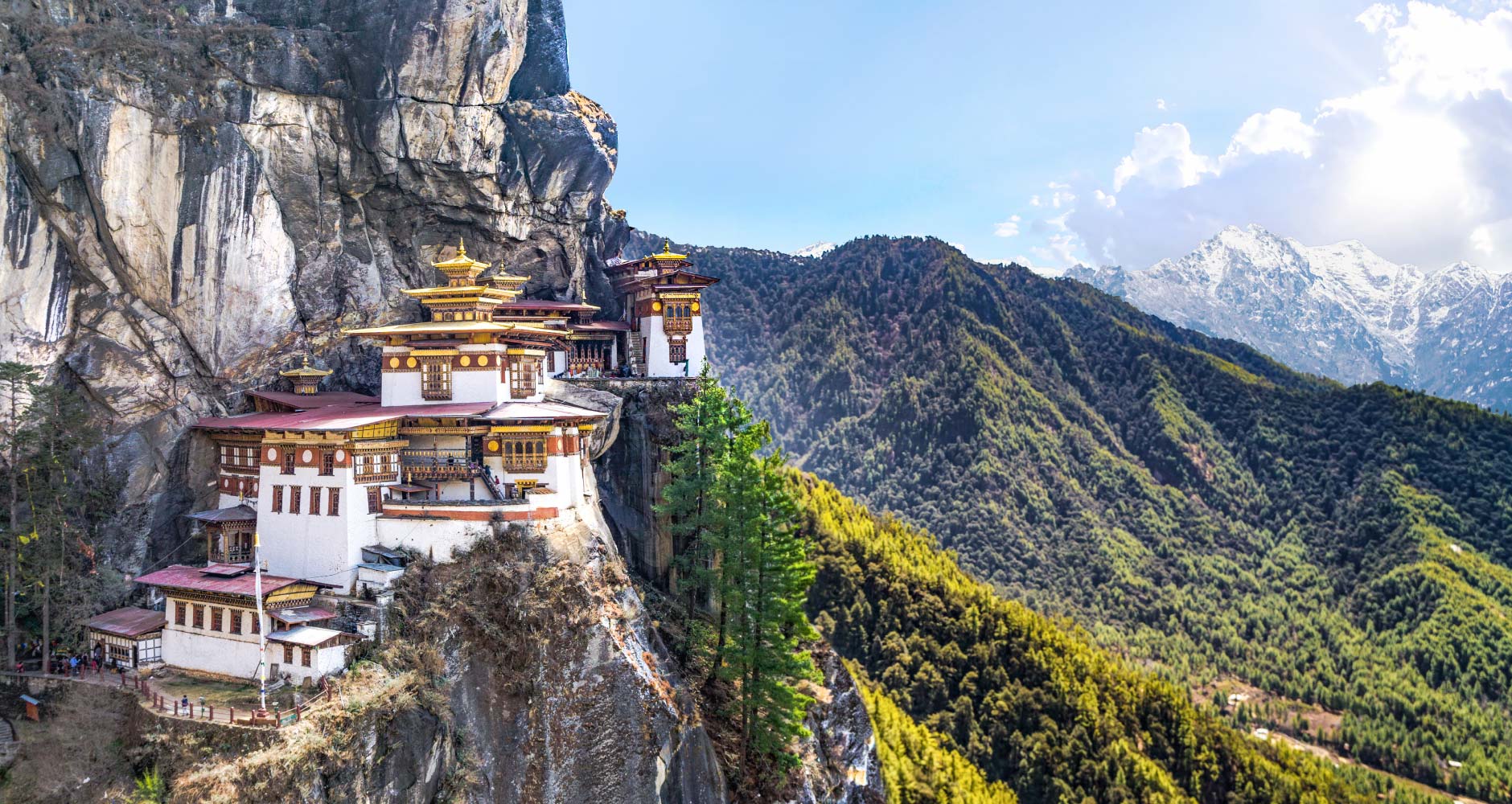 1. Bhutan
-
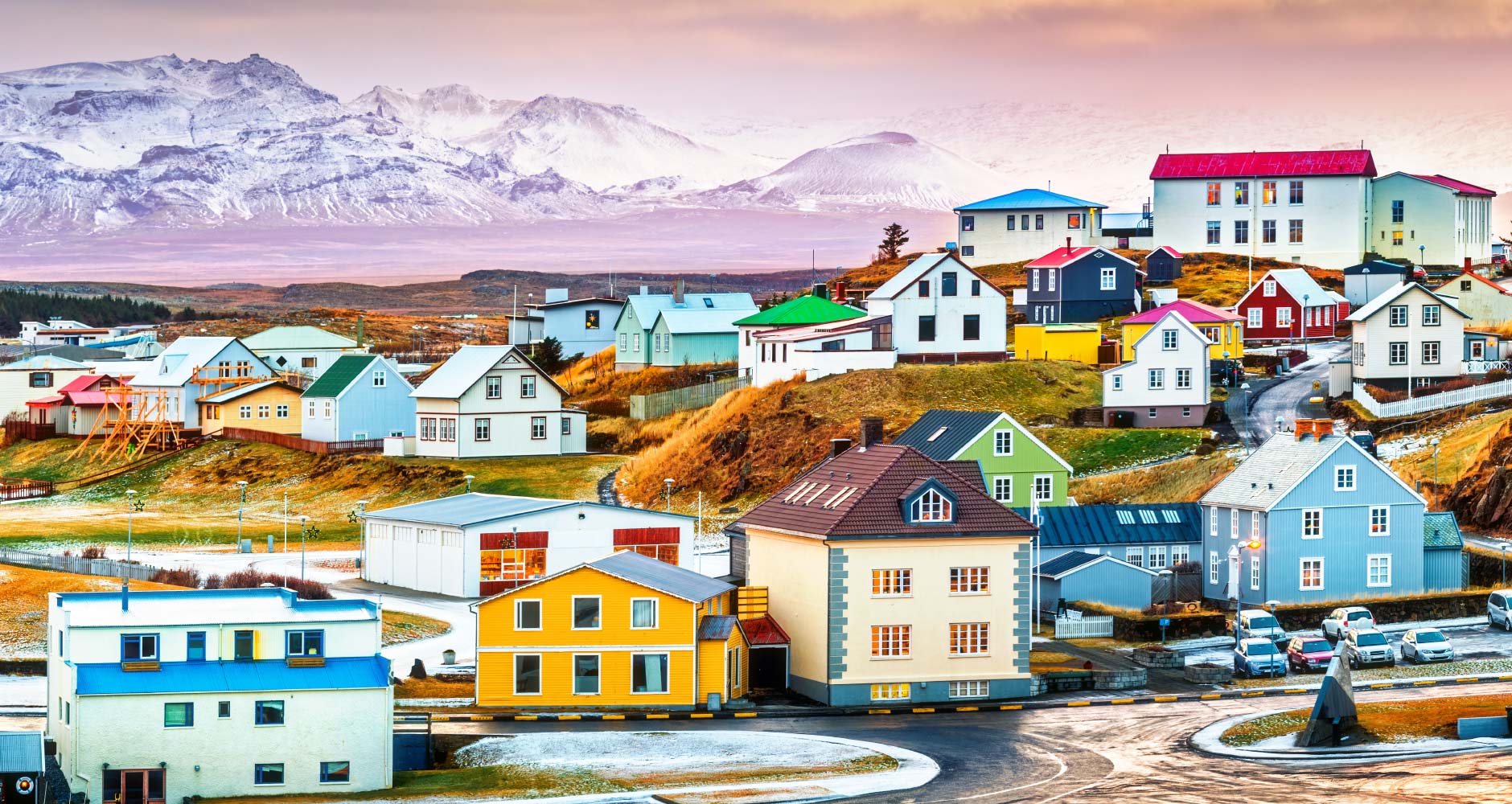 2. Iceland
-
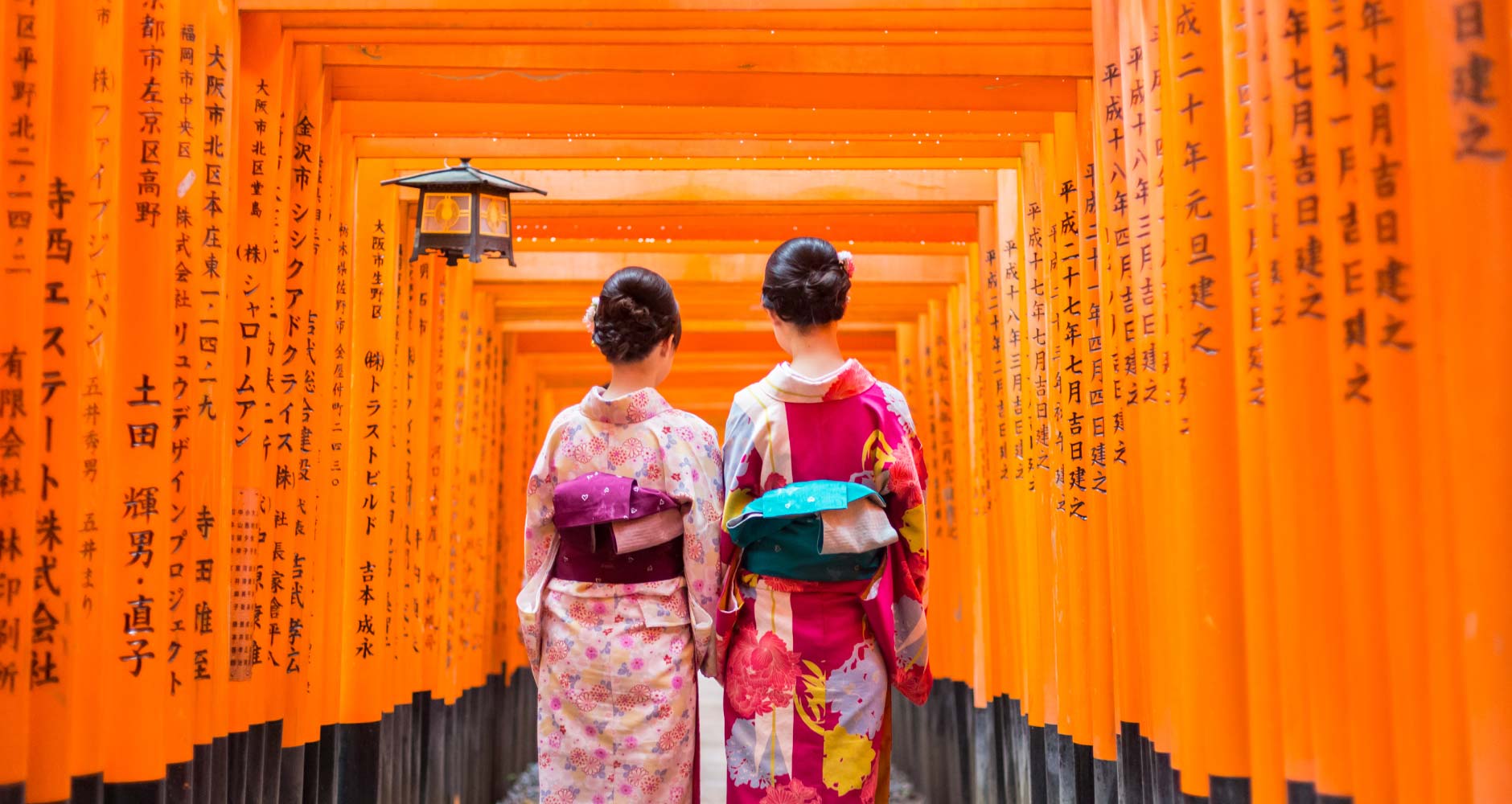 3. Japan
-
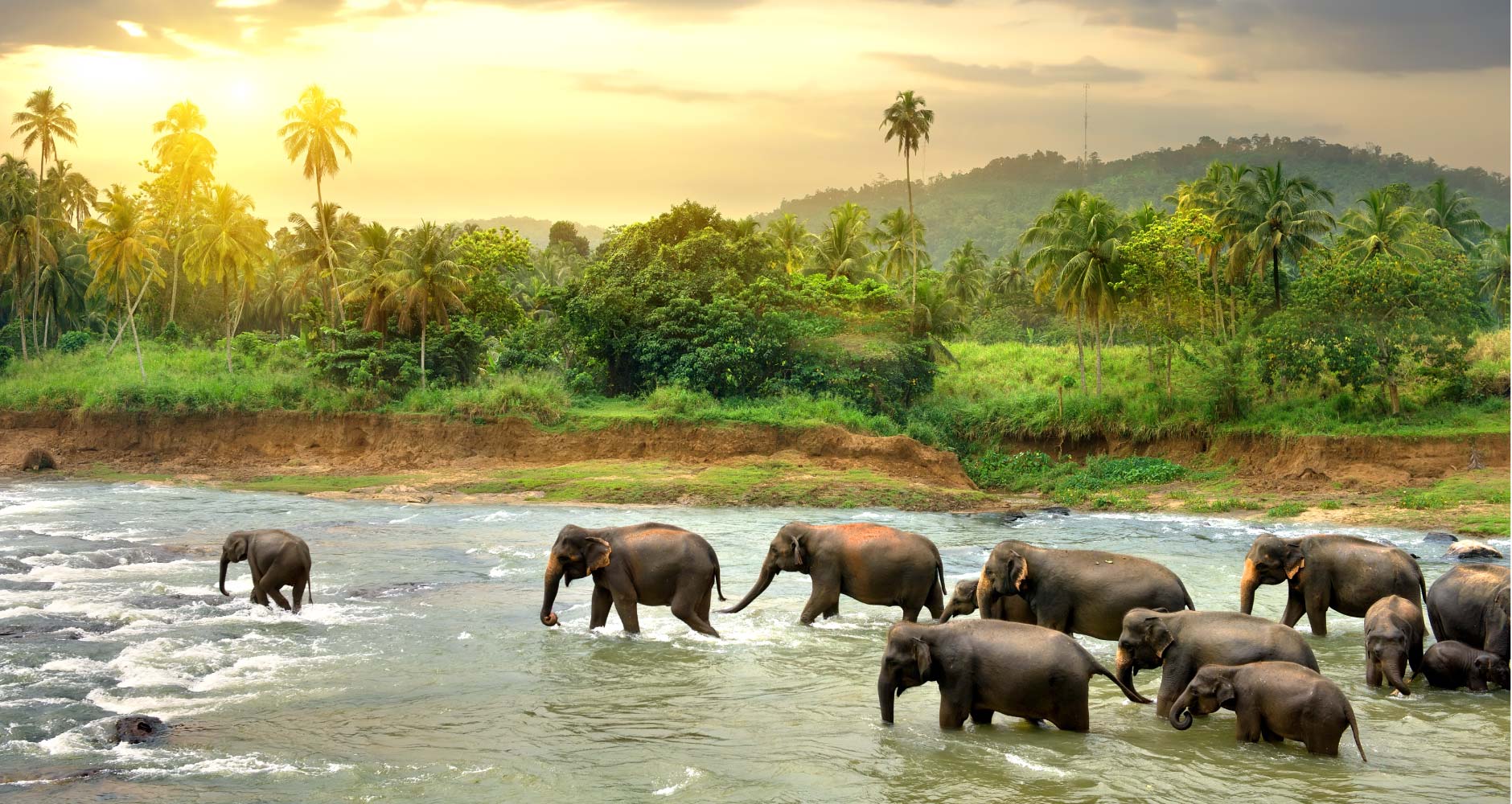 4. Sri Lanka
-
 5. Portugal
-
 6. India
-
 7. Vietnam
-
 8. Macedonia
-
 9. Chile
-
 10. Laos
-
 11. Cambodia
-
 12. Ethiopia
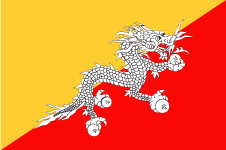
1. Bhutan
Bhutan is a small country of concentrated culture nestled at the foothills of the Himalayas offering an unspoilt land of forest cover, Dzongs and monasteries hidden in the mountains. Listed as one of the top ten biodiversity regions of the world, Bhutan is a place rich in endangered wildlife and passionately believes in the promotion of their cultural and spiritual heritage alongside the conservation of their environment.
Happiness is central to well-being in Bhutan where the people are very sociable and fun-loving with a love for song and dance. As a society they don’t measure their success in terms of wealth and materialism, instead choosing a much happier way of life measured by Gross National Happiness (GNH).
Apart from happiness, Bhutan is a respectful Buddhist society and abides by a code of etiquette known as Driglam Namzha.
The policy of Bhutan is ‘high value, low impact tourism’ and preserving their cultural values. Cut off from the world until the 1960s, travel to the small country is accessible but only through booking with a Bhutanese tour operator or a recognised partner.
Tourist office: Bhutan.travel
Bhutan is best known for:
- Trekking through the foothills of the Himalayas
- Endangered wildlife and rare birds
- The healing hot springs
- Visiting sacred sights, Dzongs and monasteries
- The colourful festivals, including the annual Tshechu festival
Top sights to see in Bhutan (Click images)
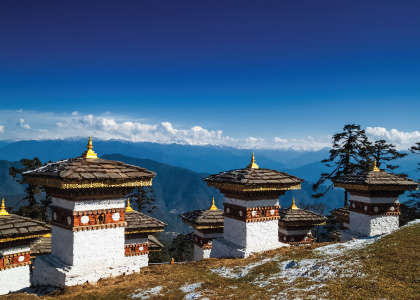 Dochula
 Laya Village
 Semtokha Dzong
 Tashichho Dzong
 Trongsa Dzong
 Tigers Nest
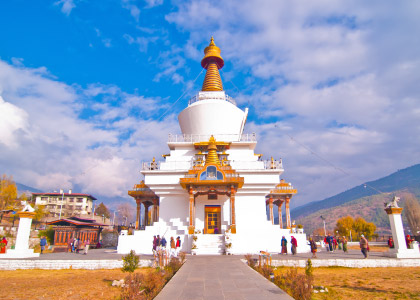 Chorten
 Buddha Dordenma
Dochula
Between Thimphu and Punakha. The pass offers panoramic 360 degrees views of the Himalayas and the ideal opportunity for your social media moment photographs.
Laya Village
The people of Laya have very distinct customs and culture from the rest of Bhutan due to their isolation. The highest village in the Kingdom at 3800m would make a stunning stopover for a trek through this picturesque region.
Semtokha Dzong
According to legend, this ancient fortress was built to stop an evil spirit who was harassing travellers in the region. Now visitors are sure to receive good blessings for their trip at the Dzong’s central Utse tower, the home of a large statue of Yeshay Gonpo or Mahakala, the main protective deity worshiped in Bhutan.
Tashichho Dzong
The seat of government since 1952, this Dzong played host to the lavish coronation ceremonies of the fifth King of Bhutan in 2008. The building underwent extensive refurbishment in the 1960s but still maintains its traditional character.
Trongsa Dzong
The largest Dzong in all of Bhutan, both the first and second Kings of Bhutan ruled the country from this ancient seat. Perched atop a rocky outcrop, with commanding views of the Mangde Chhu river, Trongsa Dzong can lay claim to being the most picturesque Dzong in all of Bhutan.
The Tiger's Nest Temple
One of the Kingdom’s holiest temples clings to a sheer cliff face some 900 meters above the Paro Valley. Unlike the Guru Rinpoche who supposedly flew up the mountainside on the back of a tigress, you will need to walk for 2-3 hours through lush pine forests to reach this heritage site.
National Memorial Chorten
This Tibetan-style buddhist building was built in honour of the third King of Bhutan and is the main focus of worship for many people in Bhutan’s capital city Thimphu.
Buddha Dordenma Statue
There are more buddhas in Bhutan’s capital Thimphu than there are people, because this 169-foot statue which was constructed in 2015, is actually full of 125,000 individual buddha statues. Costing almost $100 million to build, the depiction of Shakyamuni is cast from bronze and covered in gold.
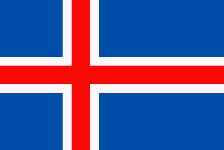
2. Iceland
The Land of Ice and Fire is home to one of the most dramatic landscapes in the world. With 80% of the island uninhabited, Iceland offers an otherworldly terrain of volcanoes, glaciers, black sand, steaming hot springs, geysers and glowing lava fields. More social media moments than you can imagine and it’s perfect for those that love to be outdoors.
The isolation and extreme environment has cultivated a hardy and tight-knit community who hold tradition and nature in high regard. Icelanders are blessed with a high standard of living with almost all housing heated by geothermal heat and the abundance of hot springs to combat the short winter days and dramatic weather.
Most of the inhabitants are located around Reykjavík which experiences a buzzing nightlife and café culture. Only twenty minutes drive out from the capital and Iceland is the perfect country for outdoor adventure, from hiking, mountain biking, ice climbing, snowmobiling and surfing some of the world’s best waves.
The entire island can be driven around in only ten days for a holiday that takes in the stunning scenery.
Iceland is unmissable during winter for the Winter Lights festival. Christmas supports 13 Santas known as the Yule Lads and New Year’s Eve is a huge celebration.
The Aurora Borealis, known as the Northern Lights can be seen from September to April and is undoubtedly, one of the world’s most spectacular natural phenomena.
Tourist office: Inspired by Iceland
Iceland is best known for:
- Northern Lights
- Trekking and outdoor adventure
- Bars and cafes of Reykavík
- Geothermal hot springs and geysers
- Whale and puffin watching
Top sights to see in Iceland (Click images)
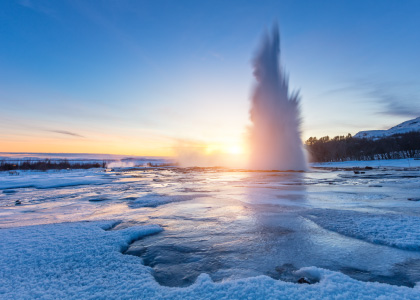 Geysir
 Blue Lagoon
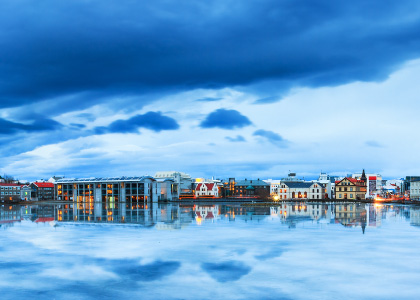 Reykjavik
 Vatnajökull
 Dynjandi
 Laugavegur
 Reynisfjara
 Ice Cave
Geysir
Located in the south of Iceland, the highly active Geysir Hot Springs area is home to boiling mud pits and geysers which can explode boiling water more than thirty feet into the area every few minutes.
Blue Lagoon pool
One of the world’s best spas, the Blue Lagoon was formed in the 1970s and its blue cloudy waters are rich in minerals which do wonders for your skin. It’s best to book your place weeks in advance of your trip to ensure you don’t miss out on a truly unique swimming experience.
Reykavík bars and culture
With winter nights that can seem endless, it’s no surprise that Iceland’s capital has fantastic nightlife. Be sure to sample the country’s excellent Schnapps selections at one the city’s cocktail bars or take a tour of local breweries to investigate the quality beers on offer.
Vatnajökull National Park
You could spend weeks exploring the largest national park in Europe, with walking trails to suit all abilities and guided tours through two of the region’s enormous glaciers.
Dynjandi Waterfall
Deep in the remote Westfjords of Iceland, this waterfall is beloved by locals because it looks like a bride has laid her veil across the landscape. It’s only a 15 minute walk to visit this waterfall, and on the way you pass six smaller waterfalls before taking in the majestic view.
The Laugavegur Trail
Walking along this 55km trail between June and September you will find multi-coloured mountains, hot springs, raging rivers and sparkling glaciers. It’s easy to see why this route is popular with locals and tourists alike.
Reynisfjara Beach
With its black basalt sea stacks reaching down to the ocean from a nearby mountain, and dark black sand underfoot, it’s easy to see why this beach is consistently voted one of the world’s most beautiful non tropical beaches.
Vatnajökull Ice Cave
A guided tour near Europe’s largest glacier will ensure you leave Iceland with some stunning holiday snaps. Local guides help you explore the best of this cold subterranean world, as each naturally forming cave is totally unique and only accessible for a limited time.

3. Japan
The Land of the Rising Sun has a thousand years of culture to offer, combined with the biggest, bustling metropolis in the world. There’s so much to see it’s difficult to know where to begin: the city, the food, bullet trains, hiking, cycling, volcanoes, hot springs and beautiful beach islands.
Tokyo is a blaze of neon and energy and the second city of Osaka is considered as the ‘Manchester of Orient’. Kyoto is steeped in culture and a city to spot the ornamental Geishas or experience a traditional Japanese tea ceremony.
One of the hottest new worldwide destinations and hidden secrets of Japan are the Okinawa and Ishigaki Islands for an unspoilt beach paradise with world-class diving – something you wouldn’t normally associate Japan with. The region is a collection of 150 islands and home to the martial art of karate. The main Okinawa island has a karate museum and dojo for those want to relive The Karate Kid.
Not forgetting Mount Fuji, the main island of Japan is a series of volcanoes with many geothermal hot springs to be experienced. The most famous (and unmissable) being the Snow Monkey Hot Spring where you can visit the impossibly cute red faced Japanese Macaques keeping warm in the steaming hot spring whilst snow settles on their heads.
Tourist office: Japan.travel
Japan is best known for:
- Eating sushi at Tokyo fish market
- Soaking in thermal hot springs
- The bullet train from Tokyo to Kyoto passing Mount Fuji
- Geishas in Kyoto
- The cherry blossom in Spring
- Pilgrimage hiking trails
- Shopping in Tokyo
Top sights to see in Japan (Click images)
 Ishigaki
 kyoto
kyoto Wakayama
 Meiji Jingu
 Onsen
Onsen Mount Fuji
 Tsukiji
 Takayama
Ishigaki Island
This tropical paradise is famed for its sandy beaches and coral reefs. Manta rays are almost a guaranteed sighting for those who seek out the island’s scuba diving sites.
Kyoto
The old imperial capital and cultural heart of Japan, Kyoto has the very best of traditional Japanese culture. The city’s Kiyomizu-dera temple offers a commanding view of the city, which is especially picturesque during the cherry blossom season between March and April.
Wakayama Pilgrimage Trails
Join the thousands of pilgrims who make the journey through the mountains to the holy shrines at Kumano. The traditional guest houses along the way can provide a comfortable place to rest for the weary traveller.
Meiji-jingū Shrine
This tranquil shrine offers a place for quiet reflection in the heart of busy Tokyo. Its leafly gardens are frequently home to traditional Shinto weddings.
Onsen Hot Springs
This small town in the Northern Japan Alps, derives its name from the milky white spring water which fills its hot springs and public baths. The water, which is rich in magnesium and calcium, is believed to be good for stomach problems.
Mount Fuji Trek
Japan’s most iconic and largest mountain offers stunning views on a clear day for those daring enough to climb to its summit. It’s best to start your journey midweek to avoid the crowds of both locals and tourists alike, who all strive to reach the peak in time for sunrise.
Tsukiji, Tokyo Fish Market
A visit to Tsukiji is the best way to taste the freshest sushi in Japan’s capital. This historic quarter is neighboured by the sleek modern Toyosu Fish Market, which offers an alternative take on Japan’s favourite food.
Takayama
This historic town, situated in the mountainous region of Gifu Prefecture has retained its traditional style. It’s biannual Spring and Autumn festivals showcase the best of rural culture in a country dominated by modernity.
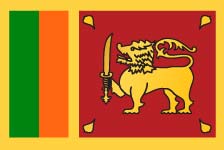
4. Sri Lanka
A warm welcome is guaranteed at this island nation, which sits just off the southern coast of India, with its tropical rainforest, alluring cuisine and kind people. Cricket obsessed, Sri Lankans like their curry spicy and their tea light. In a country rich in ancient culture and beautiful sapphires, the land of gems is sure to leave a lasting impression.
The central mountains, bedecked with giant statues of Buddha, are a world of luscious green forests and high waterfalls. Travelling through these majestic peaks by train and staying with local people in homestays, is the best way to experience this diverse paradise.
The north of the island reflects the region’s Hindu heritage, with colourful temples and saris replacing the white pagodas found elsewhere. The French colonial influence in the south has left a classical legacy in contrast to the elephants who sometimes roam the streets.
Tourist office: Srilanka.travel
Sri Lanka is best known for:
- World heritage sites with stunning scenery
- Wild elephants roaming the countryside
- Drinking tea at the hilltop plantations
- Luscious rainforests with jungle treks leading to ancient temples
- Producing internationally renowned cricket players
- Beautiful sapphires and rubies
Top sights to see in Sri Lanka (Click images)
 World's End
 Anuradhapura
 Sigiriya
 Galle
Galle Polonnaruwa
 Buduruwagala
 Uda Walawe
 Sri Pada
World’s End
The stunning Horton Plains finish at World’s End where the landscape suddenly falls away by more than 800m. The view on a clear day is breathtaking.
Anuradhapura
The sprawling ruins of this ancient religious site combines the best of old and new, with archaeological and architectural wonders playing host to buddhist ceremonies. Worshippers pray in crumbling temples as you explore the hidden delights of this most holy of cities.
Sigiriya Rock
Rising nearly two hundred metres over the neighbouring jungle, the rock fortress is decorated in frescos which are all that remain of an ancient civilisation. The climb is strenuous but the views from the top of the citadel make it worthwhile.
Galle
The second city of Sri Lanka offers colonial Dutch and Portuguese architecture and along the coastline, fishermen on stilts continue to fish in the traditional way.
Polonnaruwa
This ancient city was the beating heart of Sri Lankan life more than 800 years ago and the statues and ruins which dominate this area are a delight to explore.
Buduruwagala
The ancient temple has rock carvings of the buddha which are more than 1,000 years old. A pleasant hike through a region known for its varied birdlife.
Uda Walawe National Park
Hundreds of wild asian elephants roam this popular national park which is also home to leopards and water buffalo.
Sri Pada (Adam's Peak)
Sri Lanka’s holy mountain has been sacred to Buddhists, Muslims, Christians and Hindus alike since ancient times. The top can be quite busy between January and February as pilgrims seek blessings for the year to come.
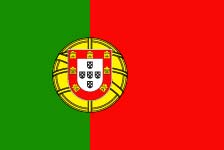
5. Portugal
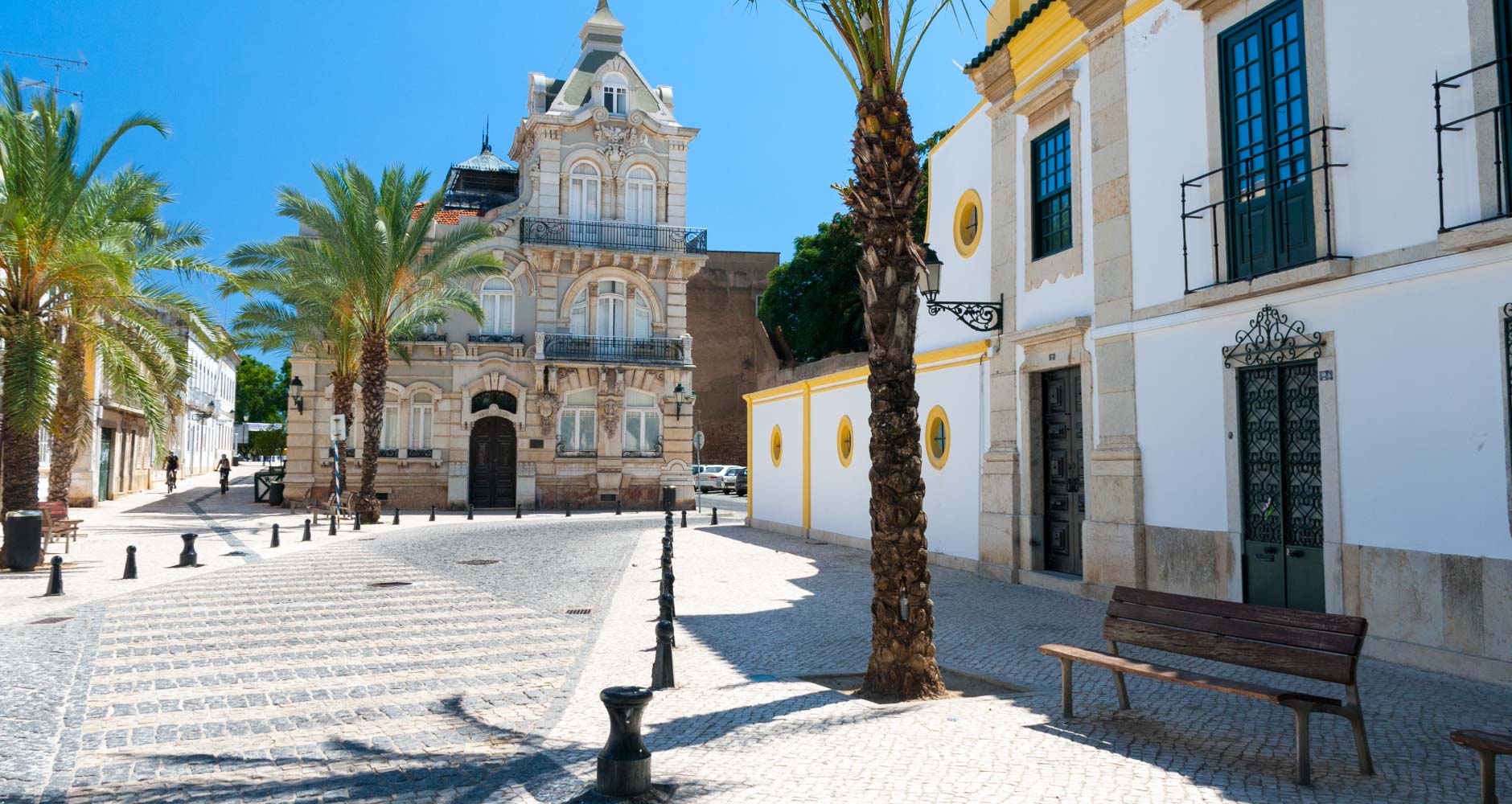
For many years Portugal has been overshadowed by the popularity of Spain as a mediterranean destination. But, having learned from the overdevelopment of the Costa del Sol, Portugal offers a coastline of stunning unspoilt beaches and towns with their culture intact and preserved. With much to offer, Portugal is quickly becoming the hottest destination of the year.
The city of Lisbon offers a faded grandeur much like Havana and the narrow streets offer many delights of traditional architecture combined with the rich culture that the city exudes. The plucky yellow cable cars climb the steep and winding streets and are especially thrilling to ride in the evening.
The food of Portugal is a dream for pescatarians, with an abundance of seafood and fresh grilled sardines. Cataplana is a dish of pork and clams that must be sampled in the Algarve and of course the Piri Piri chicken. A visit to Portugal is not complete without a pastel de nata with the best on offer in Belém, Lisbon.
The western coastline is a surfer's paradise with powerful waves rolling in from the Atlantic while the Alentejo and Centro regions offer rafting, hiking and horse riding for the energetic alongside world heritage sites and ruins. The Algarve has pristine manicured exclusive courses that attract the year-round golfer whilst the north offers culture, history and one of the better known exports of Port.
Tourist office: VisitPortugal.com
Portugal is best know for:
- Grilled sardines and pastel de nata
- The haunting Fado music
- Colourful azulejos with the finest examples at the museum in Lisbon
- Beautiful beaches and red sand cliffs
- Surfing the wild Atlantic on the west coast
- Historic medieval architecture
- Culture, food and nightlife in Lisbon
Top sights to see in Portugal (Click images)
 Porto
Porto Lisbon
 Ria Formosa
 Évora
Évora Sintra
 Douro
Douro Alcobaca
 Tavira
Porto
Portugal’s second city is a world heritage city that is the lesser known, unspoilt treasure of the country. The city spans the Douro river and is the gateway to the Douro wine regions and producers of Port that are exported worldwide.
Lisbon
The seven hills which contain Portugal’s capital city are best explored by the network of trams which climb up and down its historic streets. Only a short flight from the UK, this city has a thriving nightlife and cultural scene.
Parque Natural da Ria Formosa
A protected coastal lagoon that is a paradise for bird watchers, as the wetlands and constantly changing sandbanks attract birds rarely seen elsewhere in Europe, including white flamingos.
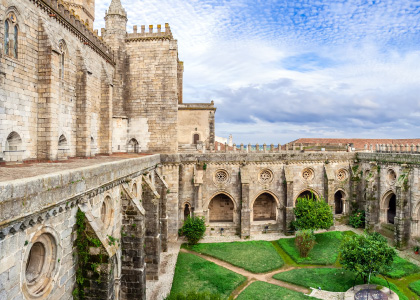
Évora
The medieval city offers a glimpse into Portugal’s past. Roman ruins of a temple to the goddess Diana sit surrounded by Christian and Moorish architecture.
Sintra
Located near the city’s capital of Lisbon, this royal retreat is a fairytale style castle in pastel colours. Built by the Moors in the 18th century, the world heritage site offers stunning gardens and views to the sea and beyond.
Douro River
A cruise through Portugal’s port producing wine region offers four UNESCO World Heritage Sites along its banks. There are plenty of opportunities to seek out the region’s history, as well as enjoying the variety of port on offer.
Mosteiro de Santa Maria de Alcobaça
The baroque facade of this Catholic monastery belies the almost austere interior. Built by the first King of Portugal, the monks who lived here maintained a close relationship with the royal family until the 18th century.
Ilha de Tavira
The island lies a short boat ride from the southern town of Tavira and the white sandy beaches stretch for miles. Tavira is a well kept secret of the locals.
6. India
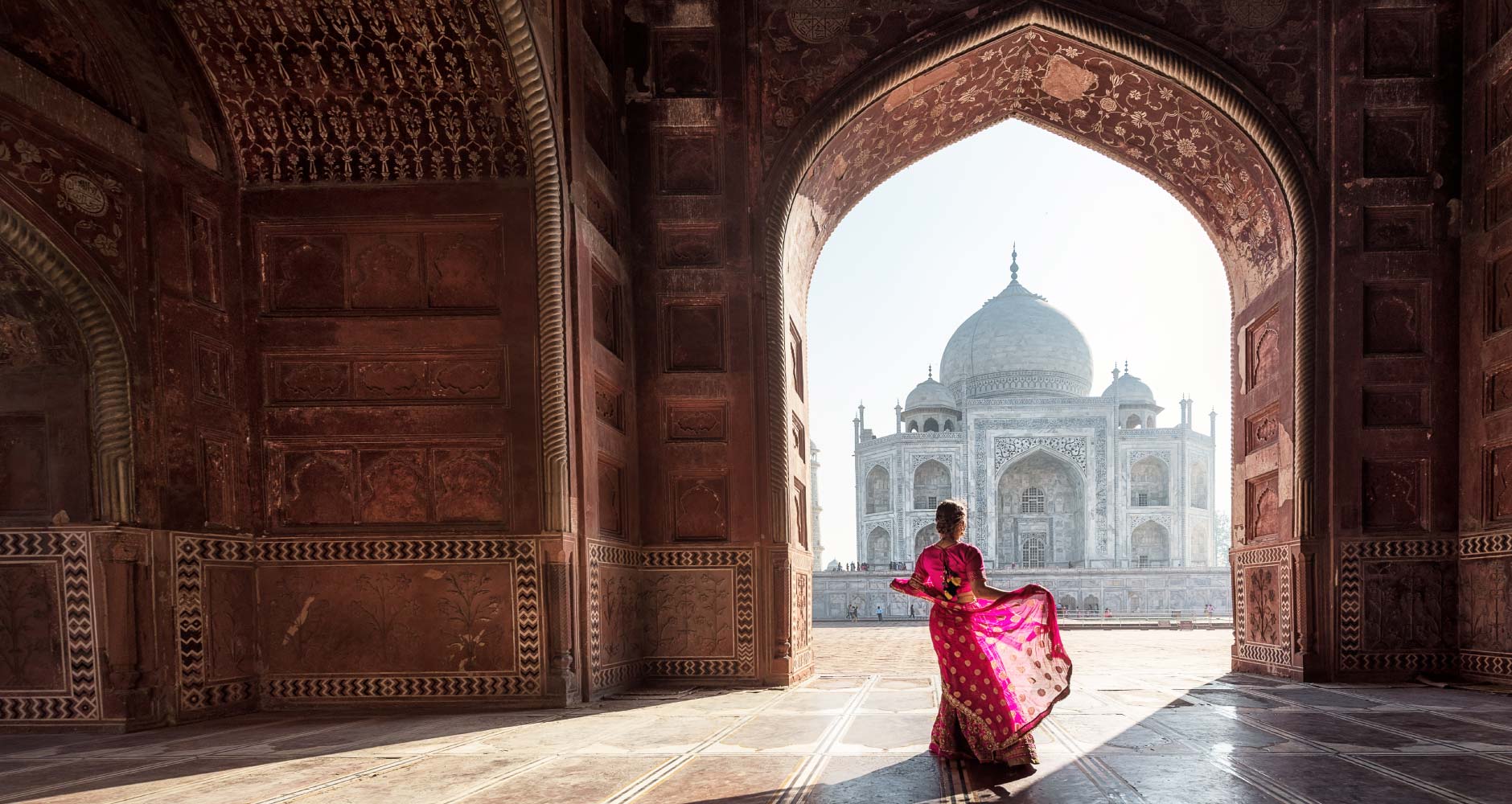
A country of rich diversity, India has traditionally been known as a destination for spiritual seekers and those wanting to learn the art of yoga.
India is a place of vibrant contrasts, with its ancient romantic heritage sitting comfortably alongside the modern outlook of major cities such as Delhi and dazzling Mumbai. The majestic Himalayas, mysterious Rajasthan and the tea plantations near Kolkata give way to the fertile plains of the south, with heavenly scented spice farms and romantic river cruises.
Hinduism, Buddhism and Sikhism all trace their lineage back to this mythical country and India has many spiritual lessons to offer alongside yoga, meditation and distinctive types of art or culture.
The colonial past means that most people speak English, whilst also conversing in more than 700 different regional dialects.
The curries found in Britain are a poor imitation of the temptations on offer from India’s street-food sellers. Each family makes their own distinctive recipe which vary hugely, something they are often willing to share with those daring enough to cook curry the ‘right’ way.
Tourist office: IncredibleIndia.org
India is best know for:
- The majestic Taj Mahal
- The spiritual magnet of Rishikesh
- The peaceful Kerala waterways
- Colonial architecture in Kolkata
- The vibrant chaos and street food in Delhi
- Learning yoga besides the River Ganges
Top sights to see in India (Click images)
 Taj Mahal
 Ajanta Caves
 Jaipur
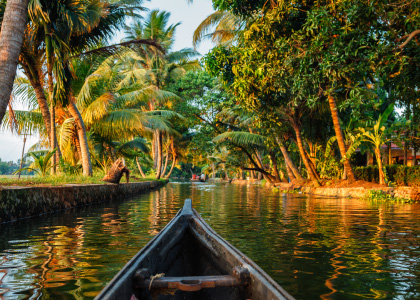 Kerala
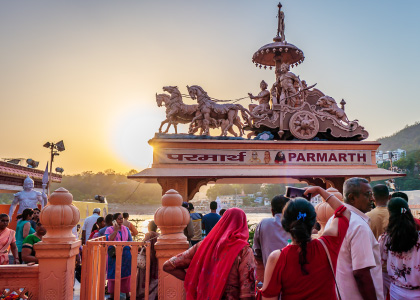 Rishikesh
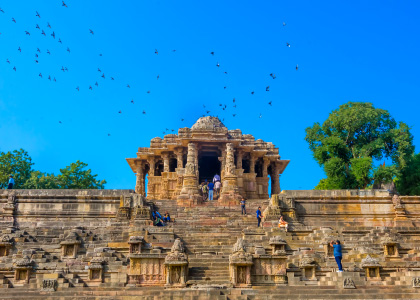 Sun Temple
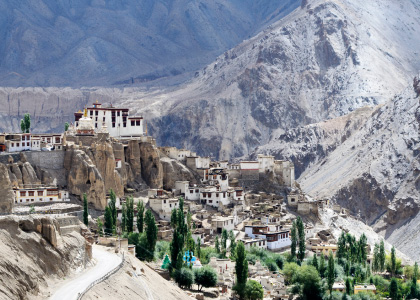 Lamayuru
 Varanasi
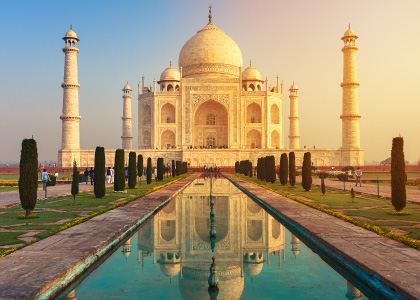
Taj Mahal
A short train ride from Delhi, this iconic mausoleum was built at the orders of Shah Jahan in memory of his favourite wife.
Ajanta Caves
The 30 buddhist prayer halls and monasteries which were carved from the rock in India’s Maharashtra state, were accidentally ‘discovered’ by a British army officer in 1819. The detailed artworks covering the walls are some of the best preserved in the world.
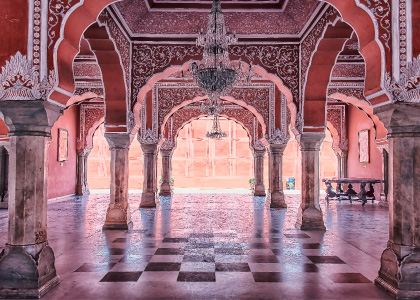
City Palace Jaipur
The sprawling Palace built for Maharaja Sawai Jai Singh II dominates the city’s old town with its grand medieval architecture and regal prestige.
Kerala
A cruise through the waterways of Kerala allows you to explore the many cultural and culinary delights of the ‘Venice of the East’. The houseboats, or Kettuvallams, that used to carry spices or tea through the region’s canals now offer luxury accommodation.
Rishikesh
This gateway to the Himalayas styles itself as the ‘Yoga Capital of the World’ and has been popular with those seeking spiritual enlightenment ever since the Beatles visited in the 1960s.
Sun Temple Modhera
This intricately carved temple in India’s Gujarat region is one of only a handful dedicated to Lord Surya, the Sun God. A beautiful escape from the region’s biggest city, Ahmedabad, which is only a short train journey away.
Lamayuru, Ladakh
The remote monastery of Lamayuru in the north-east of India has an almost lunar landscape dominated by unusual geology and barren mountainsides. 150 monks are permanent residents of the Yuru monastery which has a rich collection of wall art and other artefacts.
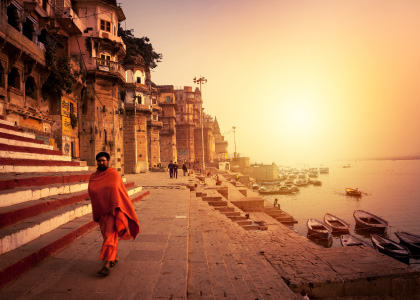
Varanasi
One of the holiest sites in India for Hindus, a visit to Varanasi in the northern state of Uttar Pradesh is to experience the full range of life. It is very auspicious to die in the city and funerals are regularly held alongside marriages on the banks of the River Ganges.
7. Vietnam
A country with a complex history and stunning landscapes that offers a relaxed hospitality and delicious food.
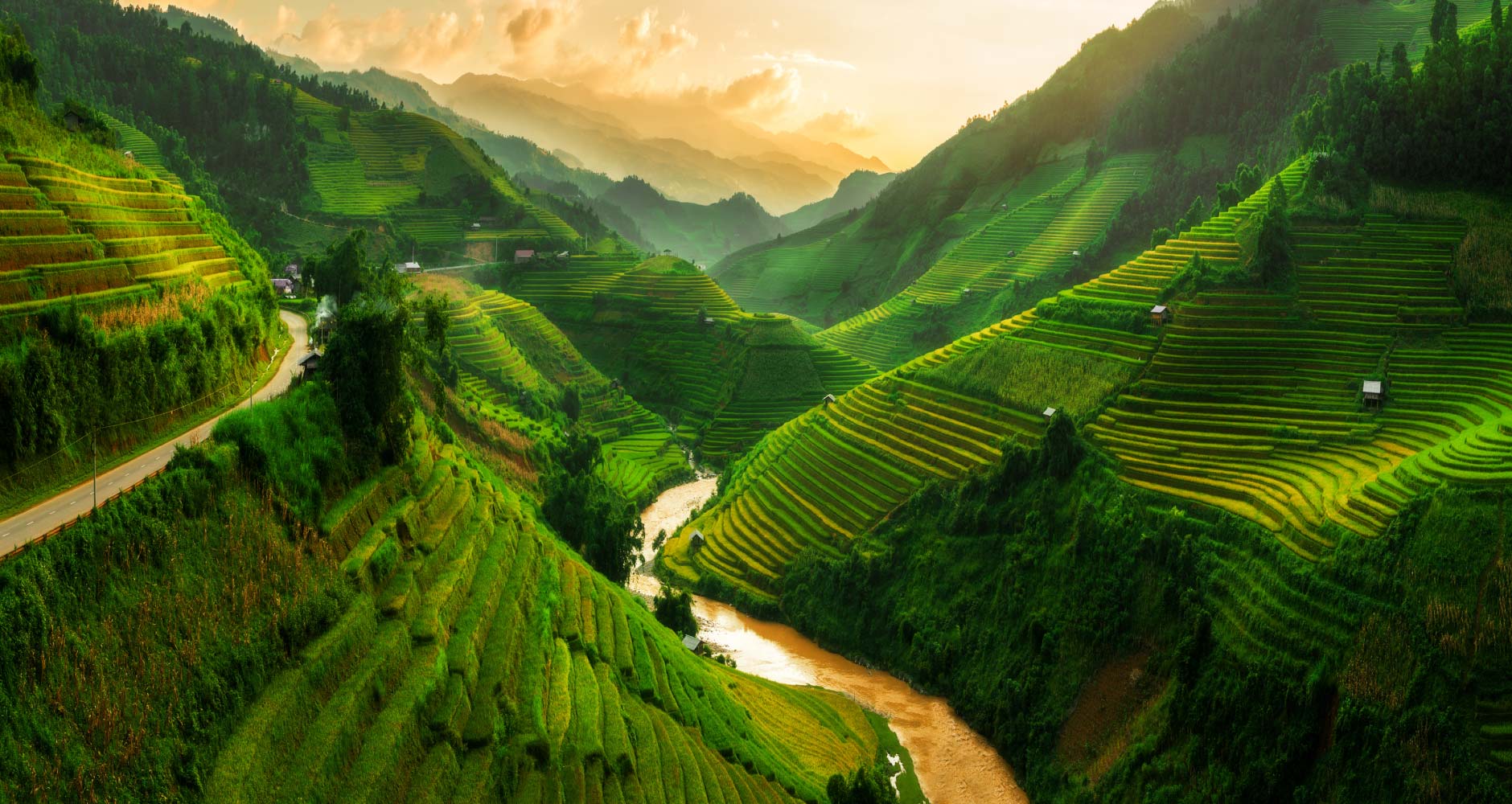
The dynamic cities of the South, with their fast mopeds and busy nightlife, can be swapped for the tranquility to be found in the mysterious Ha Long Bay or amongst the remote hill tribes in the northern hills. To travel from South to North is to step back in time.
The best way to meet people is to hire one of the country’s 45 million motorbikes. The locals are experts at carrying anything on their bikes, from hundreds of birds on their way to market to whole fridge freezers!
The subtle flavours to be found in Vietnamese cooking can be learnt from one of the hundreds of cooking schools or by exploring the many outdoor food markets. Vietnamese tailors are well known for being able to copy any outfit you like the look of in a magazine, or a suit in only a few hours.
Tourist office: VietnamTourism.gov.vn
Vietnam is best know for:
- Sampling the diverse street food markets of Hanoi
- Sailing through Ha Long Bay
- The Cu Chi tunnels
- A river cruise along the Mekong Delta
- Meeting the hill tribes in the northern mountains
- Riding motorbikes along the coastal road near Hue
- Picking up copies of celebrity fashion in Hoi An
Top sights to see in Vietnam (Click images)
 Halong Bay
 Sapa
Sapa Phu Quoc
 Golden Bridge
 Hue
Hue Cu Chi Tunnels
 Cat Tien
 Phong Nha Ke Bang
Ha Long Bay
Limestone islands covered in tropical jungle rise out of the turquoise waters of this natural wonder. Best experienced by a cruise through the towering pillars, followed by bathing in its tranquil waters.
Sapa trekking
Originally established as a hill fort by French colonialists, Sapa is now the starting point for many stunning treks through the mountains which form Vietnam’s border with China. The region is home to three distinct hill tribes each with their own unique language and culture.
Phu Quoc Island
The largest island in Vietnam, Phu Quoc has white sandy beaches and local wildlife. The northeastern quarter of the island is a national park, dominated by lush rainforest and full of waterfalls for those willing to hike into its green interior.
Golden Bridge, Da Nang
Vietnam’s most recent tourist attraction, a giant pair of hands appear to suspend the golden bridge above the trees as though the mountain is cradling you in its embrace.
The City of Hue
The capital of the Nguyen Dynasty emperors gives a regal charm to this central Vietnamese city.
Cu Chi Tunnels
A remnant of the Vietnam War, thousands of meters of tunnels dug under the jungle floor offered shelter from extensive bombing by the Americans. Preserved for history.
Cat Tien National Park
This nature reserve in the south of the country promises the opportunity to get close to gibbons, crocodiles and an abundance of flora and fauna.
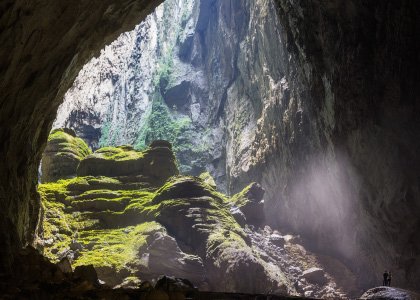
Phong Nha-Ke Bang National Park
A unique national park full of underground rivers and limestone caves which await intrepid explorers. Some of the caves could house an entire New York city block within their canavous halls (note the tiny people in the bottom right corner in the image above).
8. Macedonia
At the crossroads between the Balkans and Europe, Macedonia is rich in Greek, Roman and Ottoman history, with ancient ruins in abundance. This Balkan state should not be overlooked in favour of its neighbours.
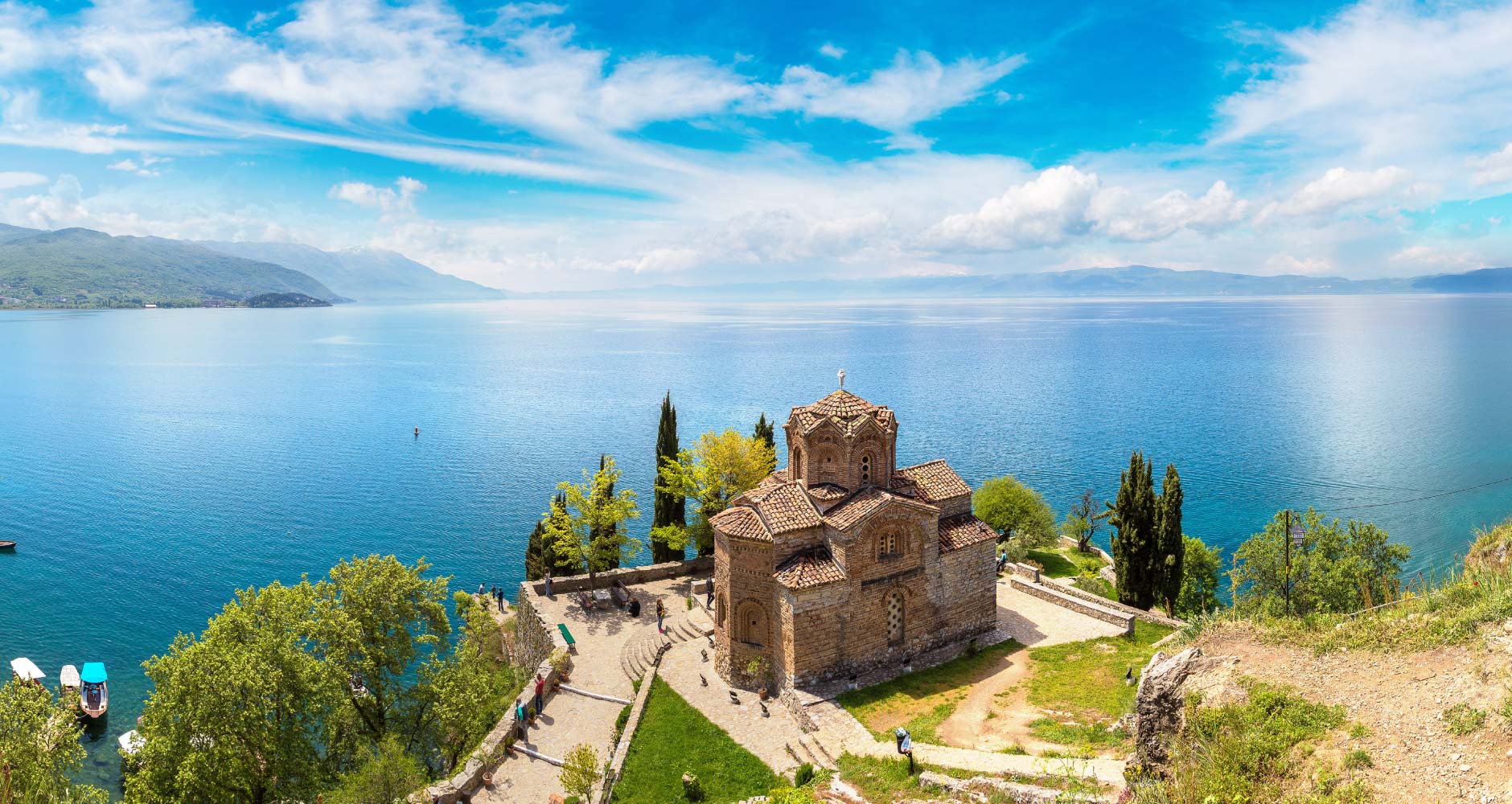
The sunsets over Lake Ohrid, with its tranquil waters and towns peppered with orthodox churches are the chief draw for the thousands of visitors who visit Macedonia each year.
Macedonian chefs are leading the way in the so called ‘slow food movement’, with every dish prepared with love, care and often from exclusively organic sources. Wine has been produced in the region for hundreds of years and recent innovations have brought international acclaim.
Much of the country is made up of small farming communities, who welcome travellers keen to explore their local customs and festivals. Walking through the mountains, promises stunning views and in the winter, breathtaking skiing.
Tourist office: ExploringMacedonia.com
Macedonia is best know for:
- The grandeur of orthodox monasteries
- Ancient Byzantine and Roman ruins
- An ancient wine producing region
- Sampling the modern nightlife in the Skopje
- Europe’s oldest lake
Top sights to see in Macedonia (Click images)
 Sveti Jovan Bigorski
 Tikveš
 Golem Grad
 Ohrid Lake
 Galichnik
 Kajmakcalan
 Skopje
 Stobi
Stobi
Sveti Jovan Bigorski Monastery
This 19th century orthodox monastery is perched on the side of Mount Bistra in the west of the country. Dedicated to John the Baptist, worshippers believe that the images of him painted on the building’s walls have healing properties.
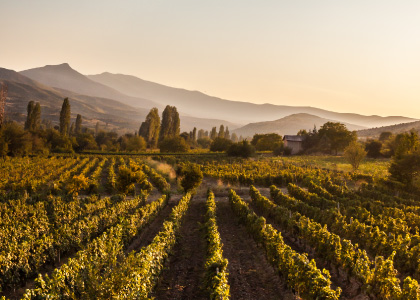
Tikveš (wine region)
Wine has been produced in Macedonia since the Roman times but it’s only in the last decade that it has really started to compete with its northern european rivals.
Golem Grad (Snake Island)
A visit to see the ancient ruins on this unique island is not for the faint-hearted as grass snakes and venomous horned vipers have made it their home. It’s rumoured that these reptiles are guarding a vast treasure should you be brave enough to seek it out.
Ohrid Lake
Europe’s oldest and deepest lake boasts a picturesque coastline and historic seaside towns. The main town of Ohrid houses 365 different churches hidden along its cobbled streets.
Galichnik mountain village
High in the northwestern Macedonian mountains is the picturesque village of Galicnik, famed for its cheese and local customs. Each July, the Mijak people, who take their name from the tribes who first settled this region, hold a special marriage festival where everyone is welcome.
Kajmakcalan mountain church:
Mount Nidze on the most southern border between Greece and Macedonia is the highest point at 2521 meters. The church at Kajmakcalan commemorates the thousands of men who lost their lives in battles in the area during the two World Wars
Skopje
Macedonia’s capital city has undergone some rapid changes during its 2,500 years of history, much of which is reflected in its architecture. Over the past fifty years, the city has been modernised following a devastating earthquake which destroyed much of the old quarter. But these changes don’t take anything away from the enigmatic capital.
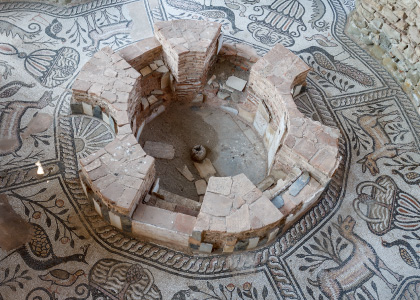
Stobi ancient town
This ancient city an important military outpost and capital city during both the Roman and Early Byzantine empires. Sitting at a cultural crossroads between two great rivals has left a powerful legacy including many detailed mosaics and the ruins of a large amphitheatre.

9. Chile
Chile is only 40 miles wide at its narrowest point and stretches along the western coast of South America, bookended by the Andes and the Pacific Ocean. Locals never rush and it’s best to take your time exploring Chile, especially when sampling the excellent wine on offer from one of the country’s 300 wineries. An inspiring country of extreme deserts, green forests and snow-capped mountains sure to leave you speechless.
The expanses of Chile’s remote plains are especially good for stargazing. The absence of light pollution and the low humidity help to create clear skies for some of the world’s most powerful telescopes and many of these hilltop observatories welcome visitors, eager to view their most recent discoveries.
The ice fjords filled with humpback whales and other Antarctic wildlife in the south, seems a long way from the dry salt deserts of the north. Nasa test the equipment they plan to use on Mars in this barren, almost lunar landscape, where the footprints you leave will remain for hundreds of years to come.
Tourist office: Chile.travel
Chile is best know for:
- The other-worldly terrain of the Atacama Desert
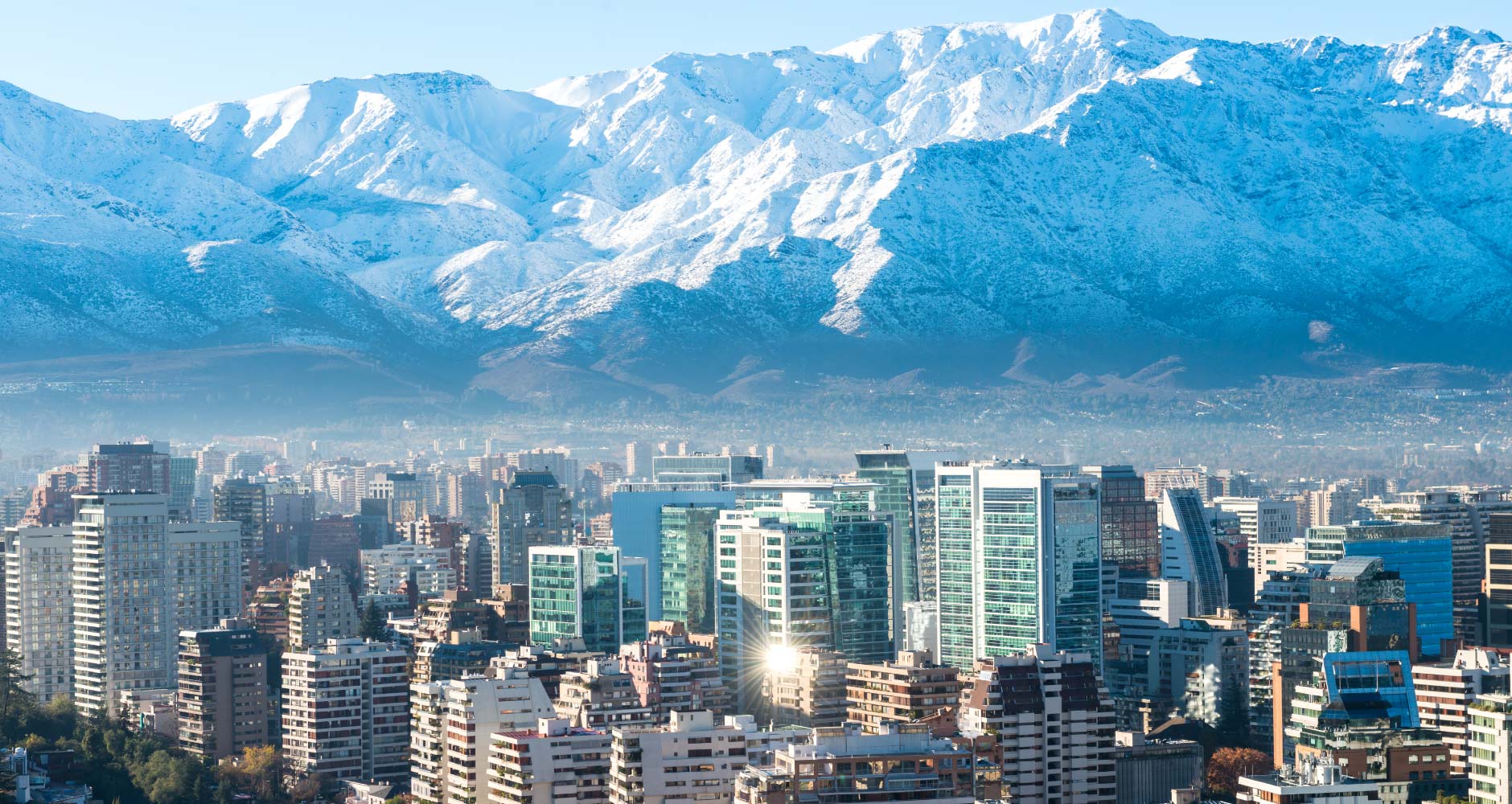
- The vibrant city of Santiago in the shadow of the Andes
- Stunning mountain passes on the Carretera Austral
- Hospitable people with a laid back attitude to life
- Skiing and snowboarding in the high Andes mountains
- Ancient artefacts on Easter Island
Top sights to see in Chile (Click images)
 Torres del Paine
 Chiloé
 Valle de la Luna
 Santiago
 El Tatio
 Rano Raraku
 The Carretera Austral
 Marble Caves
Torres del Paine Patagonia
The iconic national park takes its name from the three granite towers which dominate its skyline. A trek through this region will lead to glaciers which produce bright blue icebergs alongside green grasslands, home to the cousin of the llama, the ‘Guanacos’.
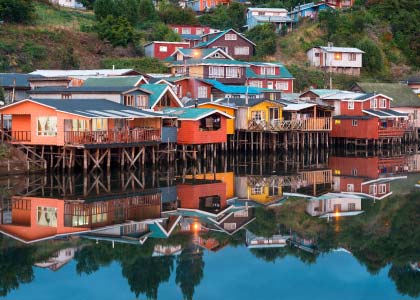
Chiloé
The mythical main island in this archipelago in Southern Chile has distinctive wooden churches built by Jesuit missionaries in the 17th and 18th centuries which are waiting to be explored. The local Chilote people build their homes on stilts and are welcoming to those willing to taste their highly prized seafood dishes.
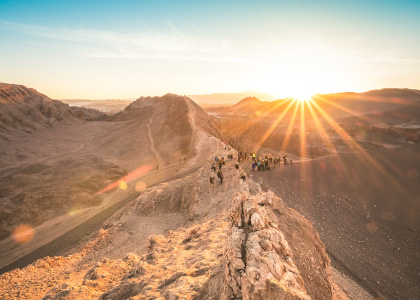
Valle de la Luna, Atacama
The driest place on Earth, the Valley of the Moon in northern Chile, has an otherworldly quality with its white salt craters and rusty red rock cliffs. Local guides can take you into the salt caves where the crystals seem to sparkle like diamonds in your torchlight.
Santiago
The largest city in South America and Chile’s capital city, is surrounded by the snow-peaked Andes mountains. This vibrant metropolis has great dining, nightlife and an expanding arts scene.
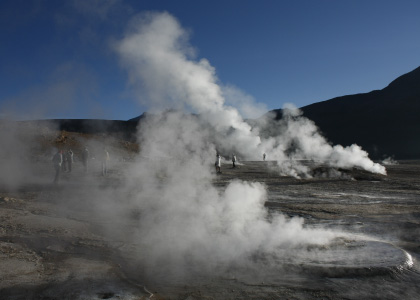
El Tation Geysers
The northern Chile volcanic region is the largest geyser field in the southern hemisphere, offering 80 explosive geysers.
Rano Raraku, Easter Island
The Moai statues which are so distinctive to Easter Island were all made from the volcano Rano Raraku, and some 400 of them can still be found in the region today.
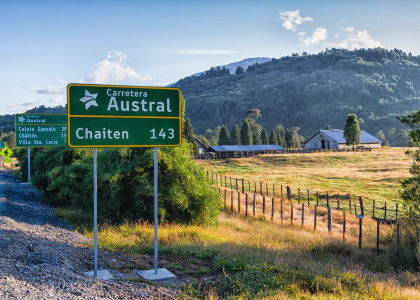
The Carretera Austral
Patagonia’s ultimate driving route snakes through snow capped mountains, glacial streams, raging rivers and isolated island communities with stunning scenery.
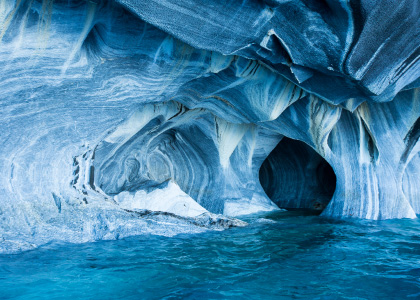
Marble Caves
Over 6,000 years, the glacial lake has carved out some truly stunning marble caves straddling the Argentina/Chile border. The distinctive blue colour of these ethereal worlds is best viewed between September and February when the ice melting from nearby mountains turns the water a bright turquoise.
10. Laos
Often overlooked in favour of its neighbour Thailand, the Kingdom of Laos is a serene escape that avoids the mass tourism which its neighbours suffer from. Locals joke that its name should really be translated as ‘please don’t rush’, and this relaxed attitude is what draws people to return time and again.
The tradition of Buddhism filters into every aspect of modern life, with monks in their saffron coloured robes regularly seen in the hustle and bustle of the capital Vientiane. Children will call into local shrines on their way to school, while suited businessmen turn prayer wheels in the hope of receiving blessings on the day.
The Mekong River is the lifeblood of this tranquil place and near the Cambodian border, the river splits into 4,000 islands where you can string a hammock and find your own piece of paradise.
A trek into the country’s lush jungles can lead to encounters with wild tigers, bears and gibbons. While many of the region’s ancient ruins are only just starting to be uncovered from the creeping tropical vines.
Tourist office: TourismLaos.org
Laos is best know for:
- Being the best kept secret in Southeast Asia
- Unspoilt scenery and charismatic people
- Ancient temples and sacred Buddhist sites
- Mysterious Iron Age statues
- Lush green fields supplied by the Mekong River
Top sights to see in Laos (Click images)
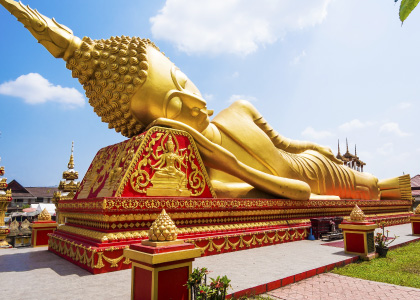 Wat Pha That Luang
 Vang Vieng
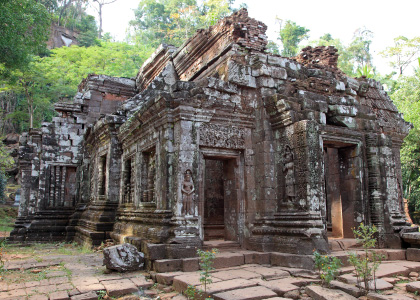 Wat Phu
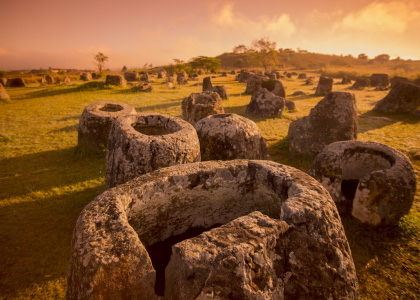 Plain of Jars
 Wat Xieng Khuan
 Wat Xieng Thong
 Luang Prabang
 Kuang Si
Wat Pha That Luang
The most sacred buddhist monument in all of Laos, the large reclining Buddha in the country’s capital Vientiane, is believed by pilgrims to house the breastbone of the Buddha. Local legend tells how the large temple complex was built to protect the relic when it was gifted to the Kingdom in the 3rd century BC.
Vang Vieng
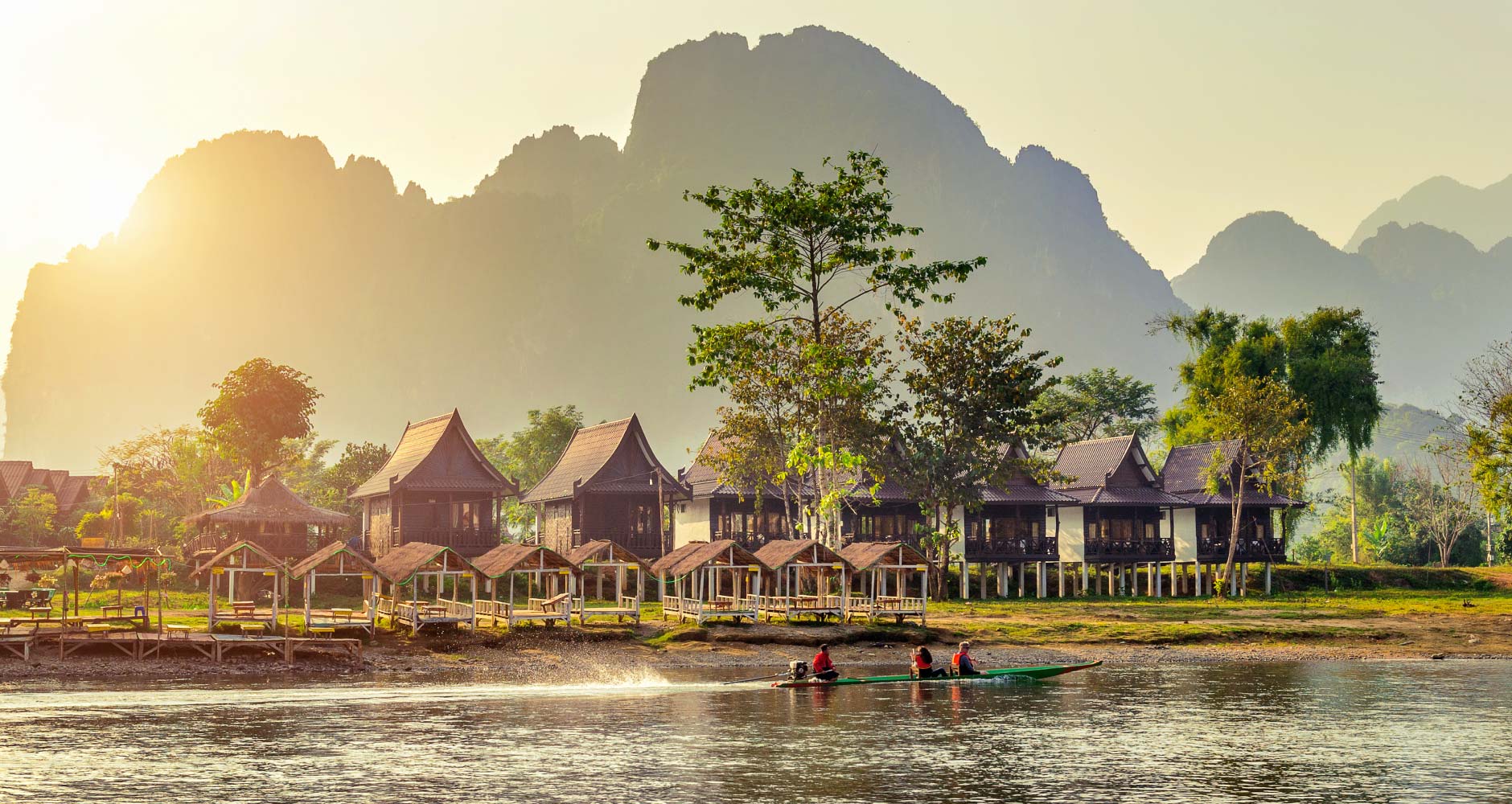
This small town is now a great place to visit if you want to take part in adventure sports. The area’s stunning scenery, with its jagged limestone, lends a beautiful backdrop to the hiking, cycling and rafting opportunities on offer.
Wat Phu
Located in the south-west of Laos, the 1,000-year-old ruins of Wat Phu are the finest examples of Khmer architecture that you will find outside of neighbouring Cambodia.
Plain of Jars
Thousands of iron age stone jars litter the landscape near the northeastern city of Phonsavan, and nobody knows why. Theories range from a local king wanting to celebrate a great victory, through to aliens invading ancient civilisations more than 1,000 years ago.
Wat Xieng Khuan Buddha Park
There are 200 different statues at this sculpture park in the country’s capital and the monk who created this attraction in the 1950s also studied Hinduism, so a few Ganesh and Lord Rama figurines add some variety.
Wat Xieng Thong
A holy site on the tip of the Luang Phrabang peninsular, is a fine example of Buddhist architecture and is also the setting for the coronation of Laos Kings.
Luang Prabang
A place to seek both spiritual and culinary enlightenment, the former capital city delights with its regal architecture and its wide variety of street food cuisine.
Kuang Si
Quite simply the most beautiful swimming spot in all of Laos. The Kuang Si falls are the biggest in the Luang Prabang area, with three tiers leading to a 50-metre drop.
11. Cambodia
In the Khmer Kingdom, the sheer scale of the temples which are slowly being reclaimed from the jungle in this region are unlike anything else found on Earth.
While other wonders of the world, such as Machu Picchu, are overcrowded and forced to restrict visitor numbers, in Cambodia it’s possible to find time for solitary reflection amongst its ancient treasures.
Each of the 20 distinct provinces have their own unique food and culture, which can be found in the street food markets, tucked away from the sun behind bamboo shelters.
On the coast, Cambodia is full of white sandy beaches which have escaped any overdevelopment that other Asian backpacker and holiday destinations have suffered. The incredible diving opportunities to be found under the water have been wisely protected by the government with a focus on sustainable tourism.
The endangered Irrawaddy Dolphin, is slowly making a comeback to the Mekong Delta, thanks to conservation efforts and it’s considered a great blessing to spot a pod of these pink creatures amongst the river’s murky depths.
Tourist office: TourismCambodia.org
Cambodia is best know for:
- Sunrise at Angkor Wat
- Temples rising from the jungle in Angkor Thum
- Incredible street food in Phnom Penh
- Unspoilt beaches of the Southern Islands
- Moped tours through the country’s rice fields
Top sights to see in Cambodia (Click images)
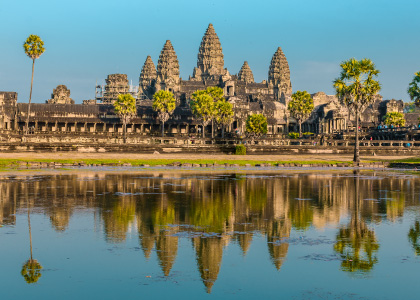 Ankor Wat
 Tonle Sap
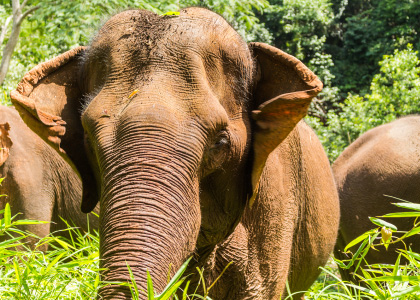 Mondulkiri
 Banteay Srei
 Koh Rong
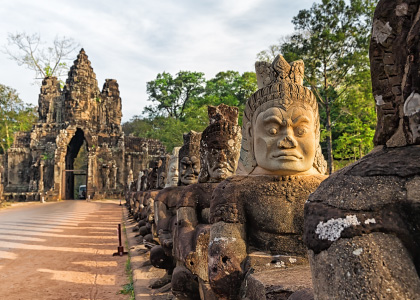 Angkor Thom
 Prasat Preah Vihear
 Phnom Penh
Angkor Wat
Best seen at sunrise or sunset, Angkor Wat was reclaimed by the jungle and so escaped the vandalism which has blighted other ancient structures.
Tonle Sap Lake floating villages
The largest freshwater lake in Southeast Asia is home to more than three million people, many of whom build their homes on stilts out into the water to accommodate the monsoon rains.
Mondulkiri elephant sanctuary
This small sanctuary allows you to walk and bathe with elephants whilst also supporting the local economy. This Cambodian NGO does not employ ‘volunteer foreigners’ to take paid work away from local people and is therefore a much more sustainable model for the future of conservation.
Banteay Srei
What this small holy site near Angkor lacks in size it more than makes up for in style, with some of the finest stone carvings on Earth beautifully preserved in its red rock interior.
Koh Rong and Southern Islands
As yet unspoilt by the large developments which have blighted the islands of neighbouring Thailand, the southern islands have a rustic charm which complements the unspoilt beaches and crystal clear water.
Angkor Thom
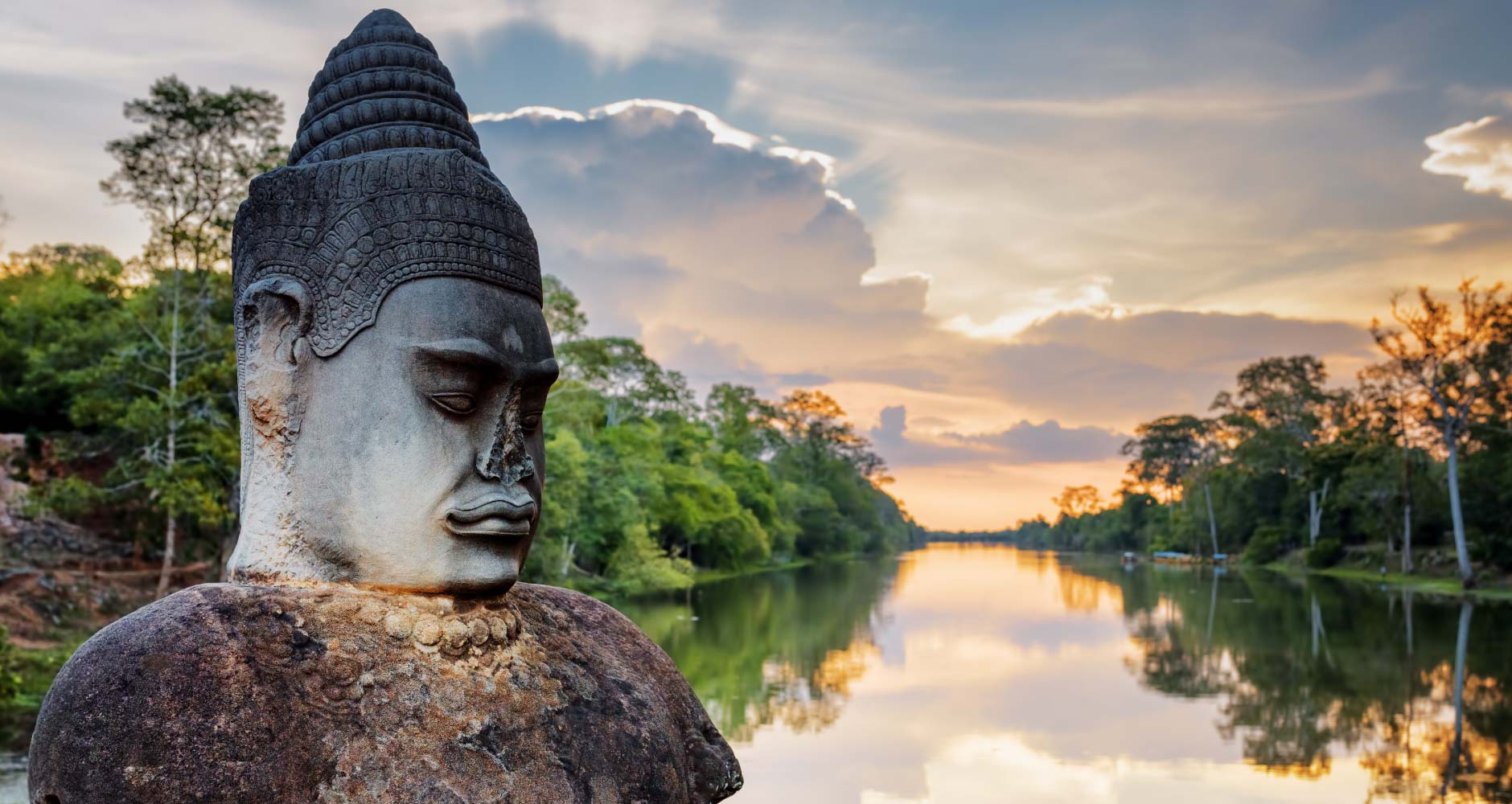
The last city of the Khmer empire slowly rises out of the jungle near the bustling city of Siem Reap. Allow several days to explore this ancient region.
Prasat Preah Vihear
Situated on a dramatic rocky outcrop on the border between Thailand and Cambodia, sits this Angkorian temple which is dedicated to the Hindu god Shiva.
Phnom Penh, Royal Palace
The official residence of the Royal Family dominates the skyline in Cambodia’s capital city. Visitors should dress conservatively if they want to see the throne room and other bejewelled rooms which make up this private palace.
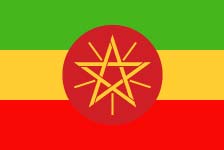
12. Ethiopia
Africa’s oldest independent nation is a country of deep-rooted traditions. The region where man is said to have first walked on two legs, has bred the best long-distance runners in the world and the athletes attribute their sporting success to the unique landscape and the strong work ethic of Ethiopian life.
This ancient empire is home to one of the world’s oldest Christian denominations, the Ethiopian Orthodox Church, which has left centuries-old, churches built in the rock. Islam is now the second most practised religion and the country is celebrated for some of Islam’s most holy cities.
The active volcanoes which can be found spread across Ethiopia’s wildness have protected a variety of wildlife, with wolves, ibex and elephants to be found on safaris in this underrated region. Ethiopians coexist with nature and in some cities, one of the continents most deadly predators – the hyena – is actively encouraged to walk the streets at night.
Tourist office: EthioEmbassy.org.uk
Ethiopia is best know for:
- Remote orthodox churches in the Tigray Mountains
- Harar, the city known as ‘Africa’s Mecca’
- Feeding wild hyenas in Harar
- Protected biosphere reserve and the original home to coffee
Top sights to see in Ethiopia (Click images)
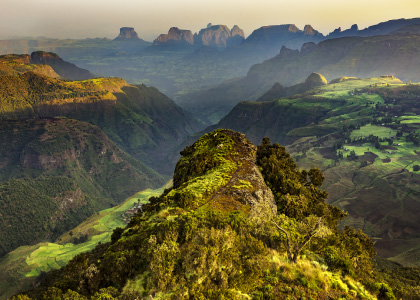 Simien
 Lalibela
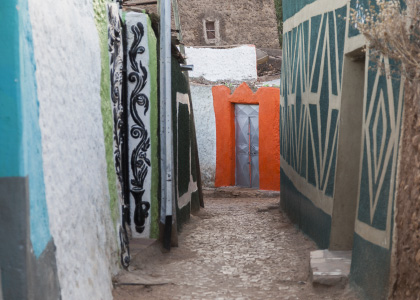 Harar
Harar Abuna Yemata Guh
 Tigray Mountains
 Addis Ababa
 Gonder
 Coffee Forest Tour
Simien Mountians
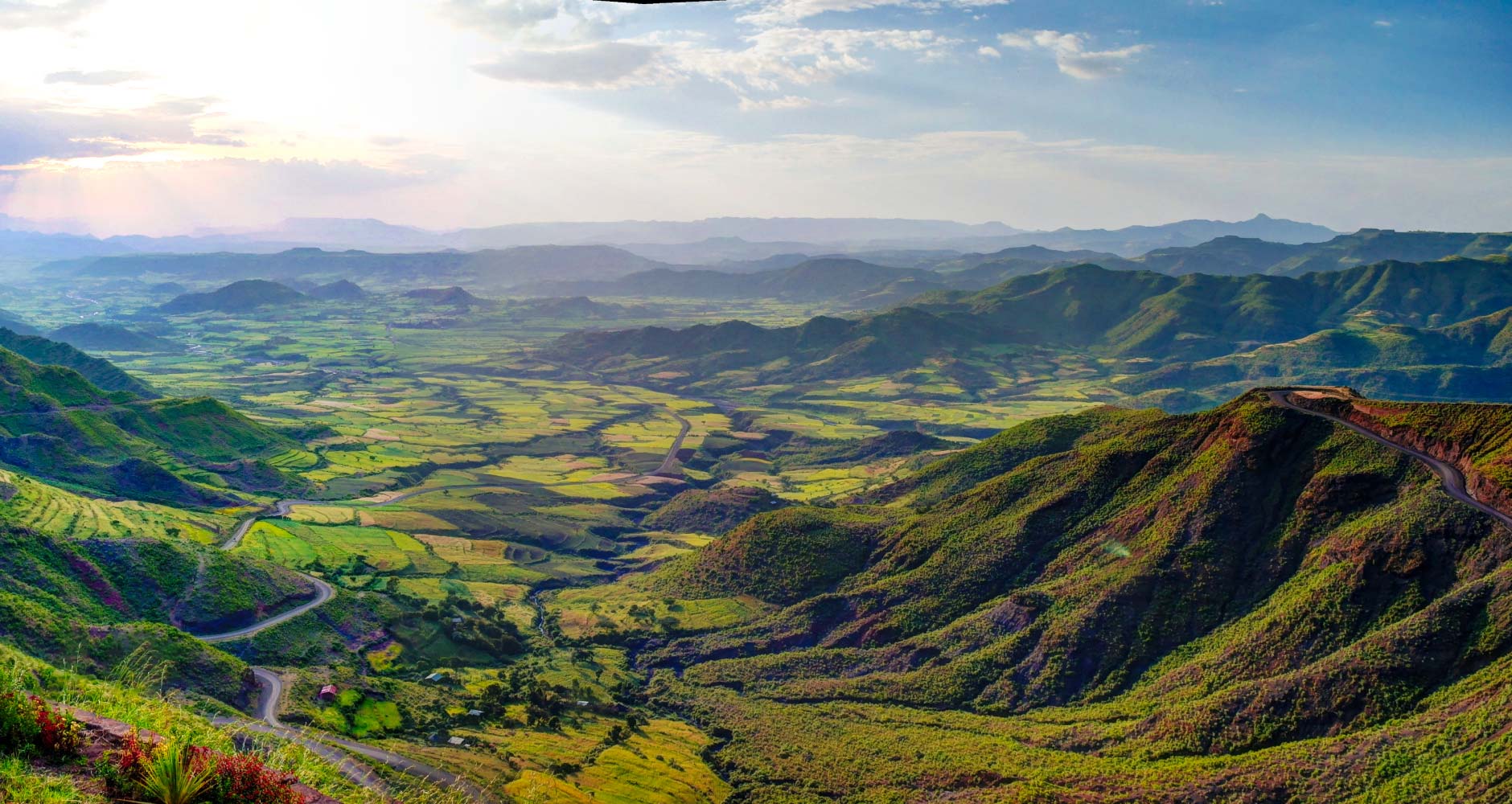
Steep highland ridges rising more than 3,600m above sea level and miles of lush green plateaus make this national park truly unique. Baboons, ibex and the Ethiopian wolf fight to survive in this beautiful but harsh wilderness.
Lalibela
Situated in the heart of Ethiopia, this traditional village is dominated by 11 medieval, monolithic, rock-hewn churches, which are beautifully decorated and which are still revered as a place of holy pilgrimage by Christians across Africa.
Harar
The holy Islamic city of Harar, in eastern Ethiopia, has many intricate mosques hidden within its narrow, maze-like streets. Africa’s mecca undergoes a transformation at night when wild hyenas stalk the streets. You can get up close to these fearsome predators at designated feeding sites throughout the city.
Abuna Yemata Guh
The world’s most inaccessible place of worship certainly lives up to its reputation, as to reach this holy Christian site you need to scramble up a sheer, cliff face. For those who can face the final and precarious walk along a ledge with a 200m drop, awaits beautiful frescoes depicting key scenes from Ethiopian life.
Tigray Mountains
The striking sandstone peaks which dominate this region provided sanctuary to the early founders of Ethiopian Orthodox Christianity. You can explore more than 30 remote churches hidden away in these remote peaks.
Addis Ababa
Africa’s fourth largest city is one of the best places to sample the wide variety of foods available in Ethiopia. The city’s Ethnological Museum showcases the rich diversity of this intriguing country.
Gonder
This walled fortress in northern Ethiopia, was once the seat of the country’s emperors and has fine examples of Portuguese, Indian and local architecture.
Coffee Forest Tour
In the western highlands of the country, the luscious forests are the original home to coffee. Many different coffee bean varieties still grow here and the reserve is UNESCO protected.
For anyone travelling abroad, we recommend that you consider taking out travel insurance because you never know when you might need it. You can visit the Sainsbury’s Bank Travel Hub to get more information on our travel products, including selected travel money currencies and travel insurance. (currencies for some of the countries stated may not be available however other common currencies are accepted)
Bhutan - https://www.bhutan.travel/
Iceland - https://www.inspiredbyiceland.com
Japan - https://www.japan.travel/en/
Sri Lanka - http://www.srilanka.travel/
Portugal - https://www.visitportugal.com/en
India - http://www.incredibleindia-tourism.org/
Vietnam - http://www.vietnamtourism.gov.vn/english/
Macedonia - http://www.exploringmacedonia.com/
Chile - https://chile.travel/en
Laos - http://www.tourismlaos.org/
Cambodia - http://www.tourismcambodia.org/